
Profil
| Pseudo | mansoorcrack17 |
| Vous êtes ? | |
| Date de naissance ( J/M/A ) | 01/01/2000 |
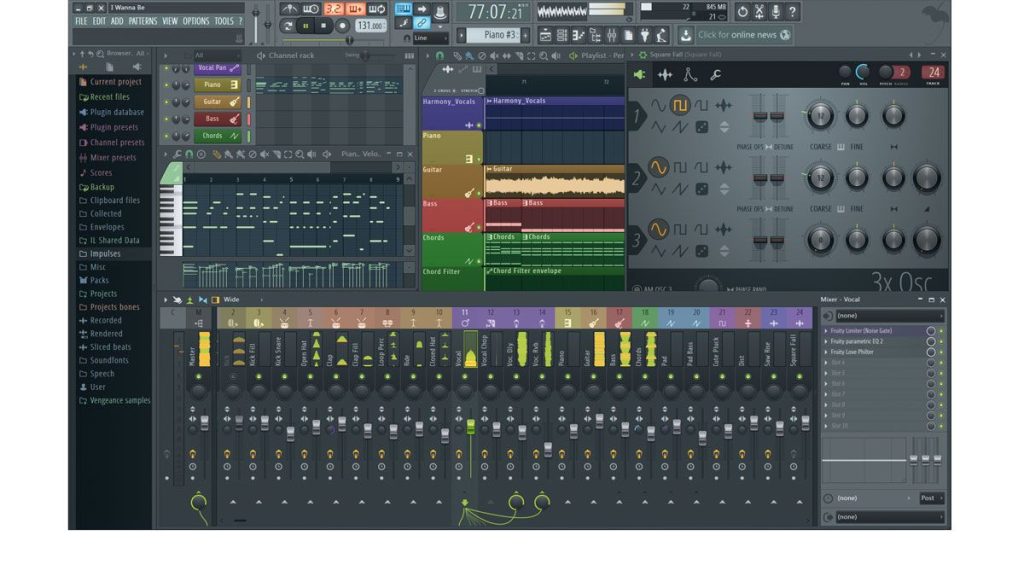
| Signature | Introduction: In the realm of digital music production, FL Studio stands out as a powerhouse, offering a robust platform for musicians and producers to create captivating tunes. However, the software’s premium features often come at a hefty price, leading some users to explore alternative methods for accessing its full potential. One such method that has gained notoriety is the use of FL Studio crack patches. In this article, we delve into the controversy surrounding these illicit patches, exploring the ethical, legal, and technical aspects associated with their use. Understanding FL Studio: FL Studio, developed by Belgian company Image-Line, is renowned for its user-friendly interface, diverse set of features, and comprehensive library of virtual instruments and effects. The software’s multiple versions cater to the needs of both beginners and experienced producers, making it a popular choice in the music production community. However, its premium offerings can be a barrier for some users, leading to the exploration of alternative means to unlock the complete FL Studio experience.
Cracking the Code: Crack patches for fl studio crack version circulate on various online platforms, claiming to provide free access to the software’s full functionality. These patches typically involve manipulating the program’s code to bypass licensing restrictions, allowing users to unlock premium features without paying for them. While this may seem like an appealing solution for budget-conscious musicians, it raises significant concerns related to ethics, legality, and potential risks. Ethical Dilemmas: The use of crack patches poses ethical questions within the creative community. Musicians and producers invest considerable time and effort into their craft, and many argue that supporting software developers by purchasing legitimate licenses is a fair exchange for the tools they provide. Using cracked versions undermines this symbiotic relationship, potentially stifling innovation and hindering the development of future updates and features. Legal Ramifications: From a legal perspective, employing crack patches to access premium software features constitutes a violation of copyright and software licensing agreements. Companies like Image-Line invest substantial resources in developing and maintaining their products, and the revenue generated from legitimate purchases is essential for ongoing support and development. Users engaging in software piracy may face legal consequences, including fines and legal action. Technical : Beyond ethical and legal concerns, the use of crack patches introduces technical risks. Cracked versions may lack the stability and security measures inherent in official releases, potentially leading to system instability, data corruption, or exposure to malware. Additionally, users of cracked software are often unable to receive official technical support or updates, leaving them vulnerable to bugs and compatibility issues. Conclusion: While the allure of accessing premium features without financial investment may be tempting, the use of FL Studio crack patches carries significant ethical, legal, and technical risks. Supporting software developers through legitimate purchases ensures the sustainability of the music production ecosystem, fostering innovation and continuous improvement. As the creative community continues to evolve, it is crucial to emphasize the value of ethical practices and responsible use of digital tools to preserve the integrity of the industry. |